RESEARCH
BASIC SCIENCE
Roles of Co-stimulatory Signaling in Autoimmune Kidney Diseases and Transplantation
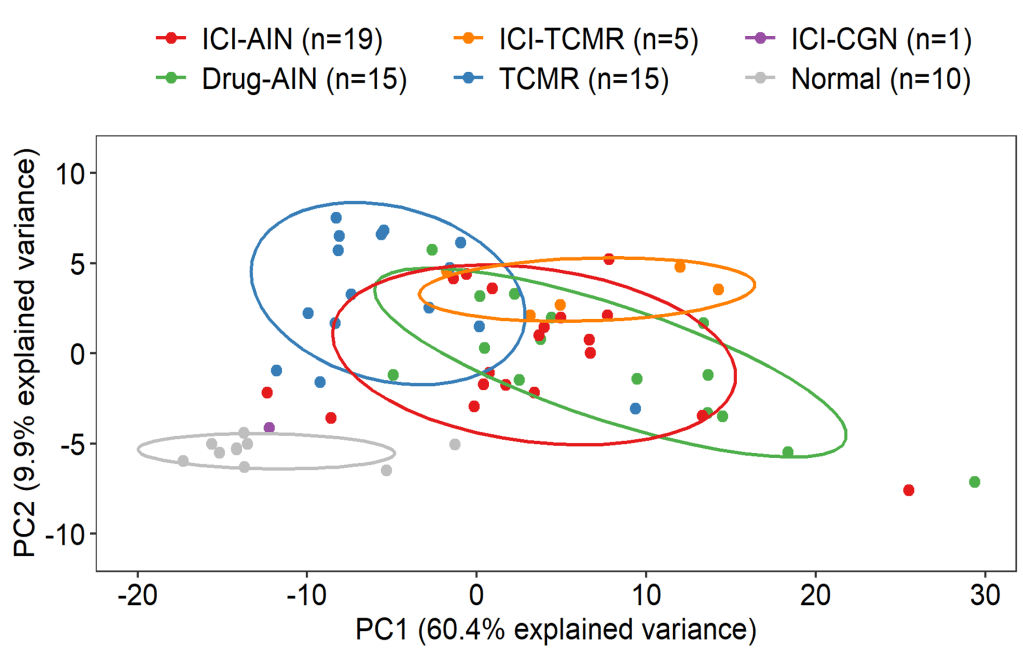
The complexity of the immune system is elegant but intricate in nature. Disruption of the homeostatic balance of the immune system can manifest in various autoimmune disorders, and this balance is increasingly complicated in the setting of cancer and transplantation. The discovery of immune checkpoint inhibitor immunotherapy (e.g. anti-PD-1, anti-CTLA-4) has revolutionized the treatment of several malignancies. Immune checkpoint inhibitors work by activating the immune system to recognize cancer cells as non-self. However, sometimes the immune system recognizes our own organs (e.g. kidneys) as something it should attack. In this setting, autoimmune-like side effects called “immune-related adverse events (irAE)” can occur. The Murakami Lab’s focus is to understand the mechanisms of kidney irAE.
CLINICAL RESEARCH
Kidney Transplant and Cancer
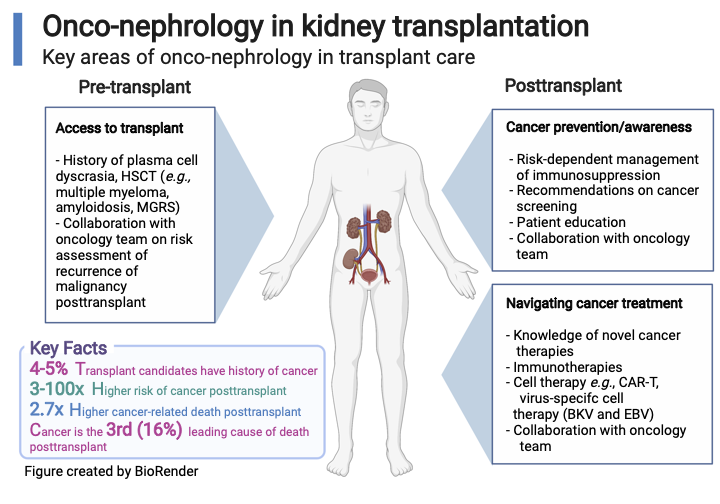
As populations ages and cancer prevalence increases, 4-5% of patients with end-stage kidney disease have history of cancer. Cancer used to be considered as a contraindication for transplantation, but we aim to help patients (especially with multiple myeloma and AL amyloidosis in remission) get an opportunity for kidney transplantation. Contact WashU Kidney Transplant Team for more details. Murakami Lab collaborates with Siteman Cancer Center Oncology teams to help improve care for kidney transplant recipients with cancers.
 MURAKAMI LAB